
Protected Status Transforming Industry, Armagh Bramley Apple, Growers Tell Independent
EU recognition means only apples grown in Armagh can be sold as Armagh Bramley, like Champagne.

EU recognition means only apples grown in Armagh can be sold as Armagh Bramley, like Champagne.

From Polish goose to Portuguese figs, the EU continues to expand its protected food roster. Here are the new entries for July 2025.

The Cornish pasty isn’t just a snack — it’s a legally protected cultural item. Only pasties made in Cornwall can carry the name.

This unique nut from southeast England is a seasonal PGI treasure — but few know it still exists. Is it time for a comeback?

True Parma ham must come from Italy’s Parma region — by law. What happens when supermarkets break the rules?

It’s handmade, aged in cloth, and infused with island character. Could this bold Scottish cheese join the ranks of PGI products?

Not all bubbly is Prosecco. EU rules say it must come from specific regions in northern Italy. Here’s why that matters for both producers and drinkers.
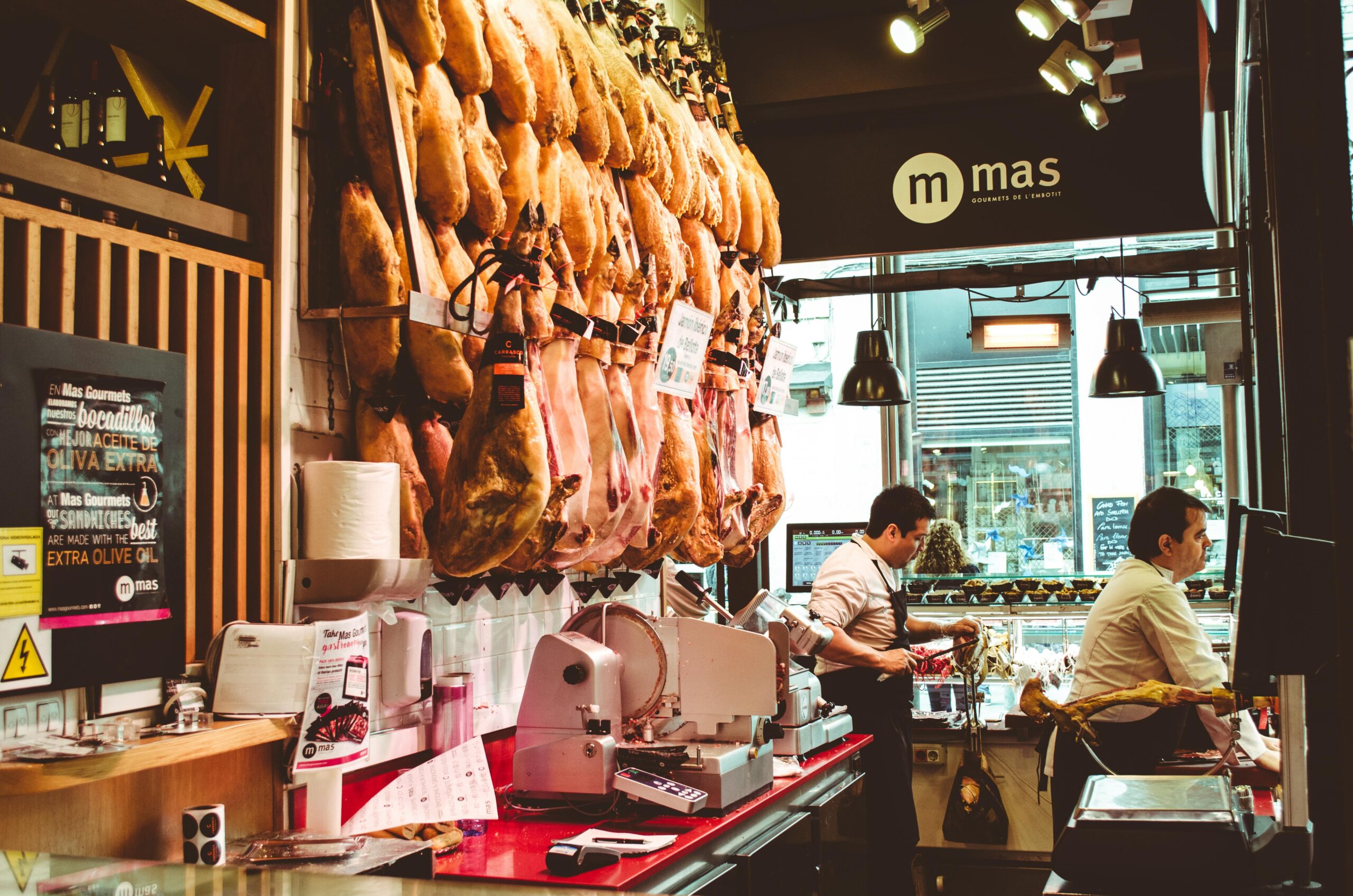
Spain has applied for PGI status for Jamón Serrano, adding to its rich tradition of regionally protected cured meats. What makes it special? Salt, time, and altitude.

From Melton Mowbray pork pies to Arbroath smokies, the UK has dozens of traditional products under protection. These foods aren’t just tasty — they’re legal heritage.

GI stands for Protected Geographical Indication. It means a food or drink is linked to a specific place and made in a traditional way. From Cumberland sausage to Parma ham, these labels protect local identity and help consumers find genuine products.